
The kitchen is the most wasteful room in most homes. Food scraps, plastic packaging, paper towels, cling film, disposable sponges — the average household kitchen generates a steady stream of trash that feels impossible to escape. But a zero-waste kitchen isn’t about fitting a year’s garbage into a mason jar. It’s about systematically sending less to landfill — and the beginner version is far easier (and cheaper) than the Instagram aesthetic suggests.
This guide gives you the practical version: what actually moves the needle, in what order, without buying a single thing you don’t need.
Start With the Audit, Not the Shopping
Here’s where most beginners go wrong: they buy a set of matching glass jars before changing a single habit. Don’t. For one week, just look at your bin. What’s actually in it? For most households it’s three things: food waste, food packaging, and paper/plastic disposables. That audit tells you exactly where your effort belongs — because your biggest trash category is your biggest opportunity, and it’s specific to your household, not a blogger’s.
Win #1: Attack Food Waste First
Food waste is usually the heaviest and most harmful thing in your kitchen bin — rotting in landfill, it generates methane, a potent greenhouse gas. Three habits eliminate most of it:
- Meal plan and shop with a list. Buying to a plan means food gets eaten, not forgotten. This alone can cut household food waste by a quarter or more.
- Learn the storage rules. Herbs in water like flowers, potatoes and onions apart (they make each other spoil faster), tomatoes out of the fridge, leafy greens washed and wrapped. Proper storage routinely doubles the life of fresh food.
- Run a “use it up” night. One dinner a week built from whatever’s closest to expiry. Soups, stir-fries, frittatas, and fried rice are the four horsemen of leftover rescue.
Win #2: Break the Disposable Habit
Kitchen disposables are a subscription you never meant to sign — paper towels, cling film, foil, disposable wipes, sponges, plastic bags. The zero-waste versions aren’t exotic:
- Paper towels → a stack of cloth rags. Old t-shirts cut into squares work perfectly and survive hundreds of washes. Keep a small bin for dirties next to the laundry.
- Cling film → lids, plates, and containers. A plate inverted over a bowl is the original food cover. Reusable containers and silicone lids handle the rest.
- Disposable sponges → washable brushes and cloths. A wooden dish brush with replaceable heads outlasts dozens of plastic sponges and doesn’t shed microplastics down the drain.
- Plastic bags → the bags you already own. You don’t need to buy tote bags. You need to remember the seventeen already stuffed in a drawer. Keep two by the door and one in your everyday bag.
The financial bonus: most households spend a surprising amount annually on disposables they then throw away. The reusables pay for themselves within months — one of many ways sustainable living saves money rather than costing it.
Win #3: Shop With Packaging in Mind
You can’t recycle your way out of packaging — you have to not bring it home. In rough order of impact:
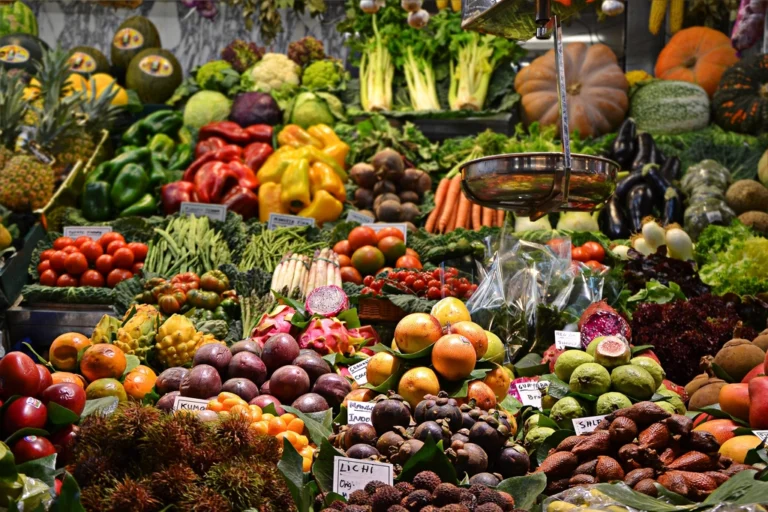
- Buy loose produce. Loose fruit and vegetables beat plastic-wrapped multipacks on waste and often on price. Skip the plastic produce bag for anything with a peel or that gets washed anyway.
- Choose better materials when there’s a choice. Glass, metal, and paper recycle far more reliably than plastic. Same product, different packaging — pick the jar over the pouch.
- Buy bigger, less often. One large container of rice, oil, or yogurt beats five small ones on packaging per serving and usually on unit price.
- Use bulk and refill options where they genuinely exist near you. Bring your own containers if the store allows — but don’t drive across town for them; the transport emissions erase the win.
Win #4: Deal With the Scraps
Even a zero-waste cook produces onion skins, coffee grounds, and eggshells. What you do with them matters: composted, they become soil; landfilled, they become methane. If you have any outdoor space, a basic compost setup handles them beautifully — our beginner’s guide to home composting gets you started in a weekend. No garden? Many cities now run food-scrap collection, and countertop options like bokashi or community drop-offs work in apartments.
What NOT to Do (Beginner Traps)
- Don’t purge your plastics. Throwing out usable plastic containers to buy “sustainable” ones is the opposite of zero waste. The greenest container is the one you already own — use it until it dies.
- Don’t chase perfection. A household that cuts kitchen waste by 70% imperfectly beats one that burns out chasing 100%. Some packaging has no alternative near you. That’s fine.
- Don’t buy the starter kit. The aesthetic zero-waste industry will happily sell you $200 of jars and bamboo everything. Almost none of it is necessary, and buying it first misses the entire point: consuming less.
The Bin Audit Checklist (Steal This)
After your audit week, you’ll want targets. These five cover most kitchens:
- Food scraps > 25% of bin? → meal planning + a scrap solution (compost or collection)
- Lots of soft plastics and film? → loose produce and bigger pack sizes next shop
- Paper towels every day? → rag stack by the sink, roll put away out of sight
- Multipack and single-serve packaging? → bulk formats of your three most-bought items
- Takeout containers? → one extra batch-cook night a week beats them on cost and waste
Level Up: Beyond the Basics
Once the core habits feel normal (give it a month), these take the kitchen further:
- Preserve the glut. When seasonal produce is cheap and abundant, freeze, pickle, or dry the surplus. A freezer full of chopped peppers, herbs in oil, and batch-cooked sauces is both a waste-fighter and a weeknight time machine.
- Regrow and grow. Spring onions, lettuce bases, and herbs regrow in water on a windowsill. Even one pot of basil replaces endless plastic-wrapped herb packs.
- Make the staples you buy most. Yogurt, stock from vegetable trimmings and bones, breadcrumbs from stale ends — each removes a recurring packaged product from your shopping list. Stock alone converts scraps you’d bin into the base of a dozen meals.
- Befriend the freezer properly. Most food freezes far better than its reputation: bread, milk, grated cheese, cooked grains, chopped onions. The freezer is a pause button, and learning its real range eliminates most “it went off before I got to it” waste.
The Numbers That Keep You Motivated
When habits wobble, the math re-motivates. Globally, households throw away on the order of a fifth to a third of the food produced for them — for a family spending $600 a month on groceries, even a conservative 15% waste rate is over $1,000 a year straight into the bin. Add the disposable-product subscription (paper towels, wrap, bags, sponges — easily $100–200 annually) and the packaging premium built into small-format products, and a typical kitchen leaks four figures a year. Zero waste isn’t a lifestyle accessory; it’s plugging a leak you can see on your bank statement.
Your First Two Weeks: A Realistic Launch Plan
- Days 1–7: The audit. Note what fills your bin; start the meal-planning habit and the “use it up” night.
- Days 8–10: Swap disposables — rags in, paper towels out; containers and plates instead of cling film.
- Days 11–14: Change the shopping — loose produce, better packaging choices, bags by the door. Set up a food-scrap container and decide its destination (compost, collection, drop-off).
Two weeks in, your bin will be visibly lighter — and the habits will already feel normal. That’s the real milestone: not perfection, but the moment the wasteful default becomes the weird option in your own kitchen.
Frequently Asked Questions
Do I need to buy special equipment for a zero-waste kitchen?
No. Jars from store-bought sauces become storage, old t-shirts become rags, plates become lids, and the bags you already own become shopping bags. Buy replacements only as things genuinely wear out — and choose durable options then.
Is a zero-waste kitchen more expensive?
Usually the opposite. Meal planning cuts food spending, disposables stop being a recurring purchase, and bulk or loose buying often costs less per unit. The version that costs more is the Instagram one — skip it.
What about hygiene with cloths and reusables?
Simple: wash them. Rags and cloths go in the regular laundry, brushes air-dry between uses, and containers get washed like any dish. Reusables aren’t less hygienic than disposables — they just require the washing you already do.
How do I handle foods that only come in plastic?
You accept them. Zero waste is a direction, not a purity test. Focus on the 80% of packaging you can avoid; the stubborn 20% is a supply-chain problem that consumer pressure — not personal guilt — solves over time.
The Bottom Line
A zero-waste kitchen is built in boring, effective steps: audit your bin, stop wasting food, ditch the disposables, shop for less packaging, and give scraps a better destination than landfill. No matching jars required. Start with the audit this week, pick two wins from the list, and let the lighter bin — and the lower grocery bill — keep you going.
Discover more from Greenfuturepath
Subscribe to get the latest posts sent to your email.