
“Eco-friendly.” “Natural.” “Conscious.” “Green.” Walk down any supermarket aisle or scroll any online store and you’ll see these words on everything from shampoo to SUVs. Most of them mean precisely nothing — and that’s not cynicism, it’s the finding of study after study. When regulators screened corporate environmental claims in recent years, huge shares were found to be vague, misleading, or unfounded.
Welcome to greenwashing: marketing that makes a product or company seem more environmentally responsible than it actually is. Learning to spot it is a core skill for anyone trying to spend their money according to their values. Here are the seven tricks brands use most — and the questions that cut through each one.
Why Greenwashing Works
Greenwashing exploits a gap: consumers want to make better choices, but verifying claims takes time nobody has in a supermarket aisle. A green leaf on the label closes that gap emotionally in half a second. The feeling of doing good gets sold back to you at a premium — while the actual product changes nothing. Understanding the tricks below collapses that half-second illusion.
Trick #1: Vague, Undefined Buzzwords
“Eco-friendly,” “green,” “natural,” “planet-positive,” “sustainable choice.” None of these terms has a binding legal definition in most markets, which is exactly why brands love them. “Natural” is the classic: arsenic and crude oil are natural too.
See through it: Ignore adjectives; look for specifics. “Made with 85% recycled aluminum” is a claim. “Made with love for the planet” is a screensaver.
Trick #2: The Hidden Trade-Off
A product boasts one green attribute while staying silent about a larger harm. Paper packaging around an air-freighted product. “Recyclable” coffee pods whose recycling program barely exists. An electric SUV advertised for zero tailpipe emissions with no mention of the battery’s mining footprint or the coal-heavy grid it charges from.
See through it: Ask “compared to what, and across the whole lifecycle?” A single cherry-picked attribute is a distraction technique, not a virtue.
Trick #3: Irrelevant Claims
Bragging about things that are legally required or universally true. “CFC-free!” — CFCs have been banned for decades; every product is CFC-free. “Not tested on animals” in markets where that testing is already prohibited. It’s like a restaurant advertising “no rat poison in our soup.”
See through it: Ask whether the claim differentiates the product at all. If every competitor could say the same thing, it’s noise.
Trick #4: Lesser of Two Evils
Marketing a marginally less harmful version of a fundamentally harmful product as a green choice. “Organic” cigarettes. “Sustainable” fast fashion collections from brands dropping thousands of new styles weekly. “Eco” disposable anything. The reduced harm may even be real — but framing it as environmental virtue encourages more consumption of the harmful category itself.
See through it: Ask whether the green version solves the category’s core problem or just softens your conscience about it.
Trick #5: Fake or Meaningless Labels
Some brands simply invent their own certification badges — a leaf-and-globe icon with a name that sounds like a standards body, backed by no third party, no criteria, no audit. Others use real-sounding but self-awarded claims like “certified green” with no certifier named.
See through it: Legitimate certifications have public criteria and independent verification — names like Fair Trade, GOTS, FSC, Energy Star, B Corp, OEKO-TEX. If you can’t find the certifying body and its standards online in thirty seconds, the label is decoration.
Trick #6: Suggestive Imagery and Color
No claims at all — just green packaging, forests on the label, a recycling-symbol-esque logo, dew-kissed leaves in the advert. It’s the purest form of greenwashing because it makes no falsifiable statement; it just makes you feel the product is aligned with nature. Fossil fuel companies rebranding with flowers and wind turbines are the masters of this genre.
See through it: Cover the packaging with your hand. What does the product actually do, and what does the company actually make? That’s the whole story.
Trick #7: Outright Fibbing
The crudest trick: claims that are simply false. Dieselgate — Volkswagen’s deliberate emissions-test cheating while marketing “clean diesel” — remains the landmark case, but smaller-scale examples surface constantly: products claiming recycled content they don’t contain, carbon-neutral declarations backed by junk offsets.
See through it: Big claims deserve evidence. Look for published data, third-party verification, and methodology. And remember that getting caught lying costs brands far more than telling the truth — the scandals you see are the ones that didn’t hold.
Your Anti-Greenwashing Toolkit
Next time a product courts your environmental conscience, run the thirty-second check:
- Specifics? Numbers and named standards beat adjectives.
- Whole picture? One attribute isn’t a lifecycle.
- Verified? Third-party certification with public criteria, or it’s marketing.
- Proportionate? Does the claim match the company’s actual core business?
- Would they say it if it cost them sales? Genuine leaders publish inconvenient data too — factory lists, failure rates, absolute emissions.
Where Greenwashing Is Worst: A Field Guide by Industry
The tricks above show up everywhere, but some sectors have made them an art form:
- Fashion. “Conscious” collections from brands whose core model is overproduction — a recycled-polyester line doesn’t offset thousands of new styles a week. Our fast fashion guide breaks down the model itself.
- Energy. Fossil fuel majors advertising wind turbines while renewables remain a single-digit slice of their investment. The imagery-to-reality ratio in this sector is the widest in advertising.
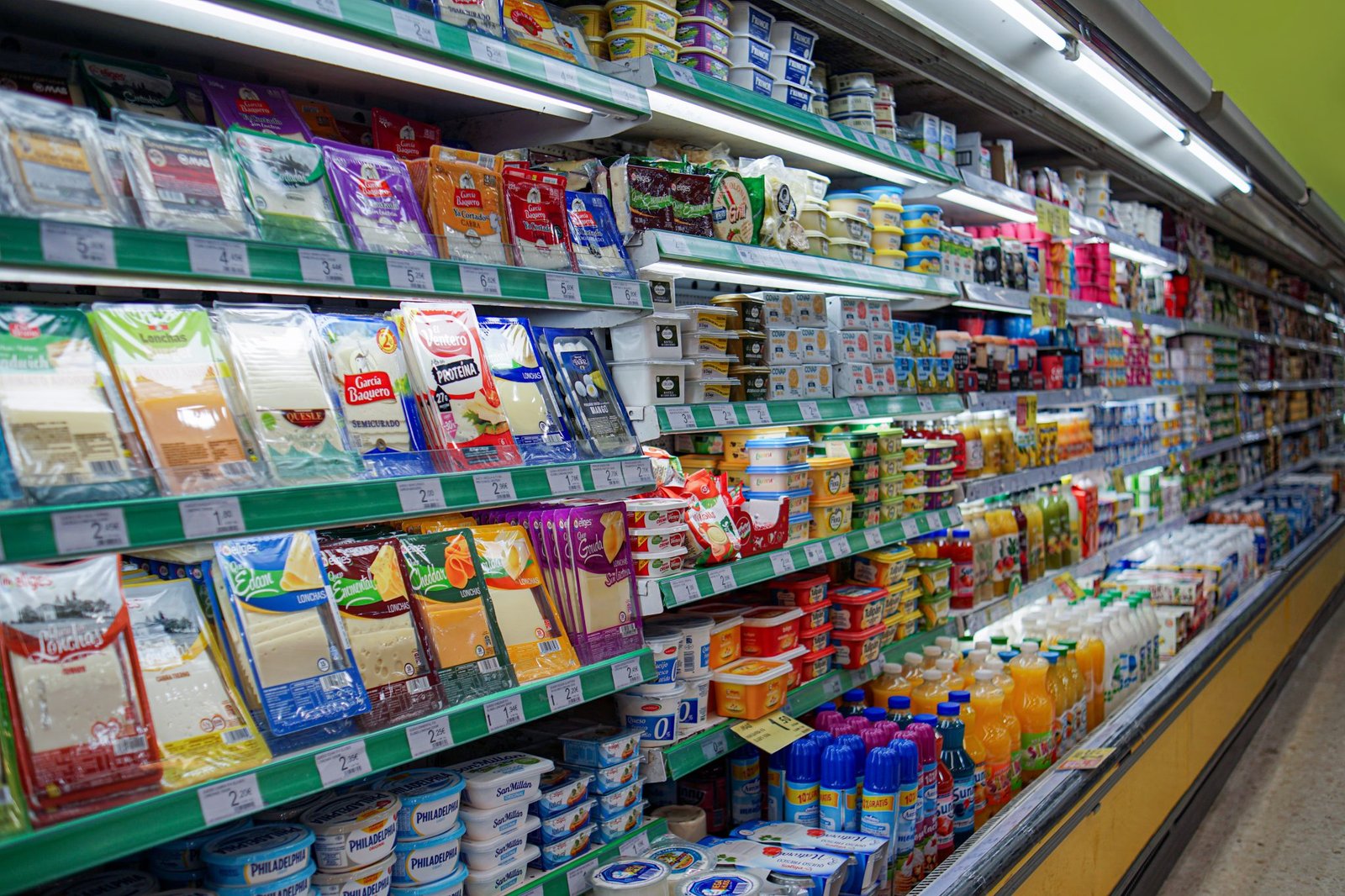
- Food and drink. “Natural” on products with industrial supply chains; green fields on factory-farmed products; “recyclable” packaging nobody’s local system accepts.
- Finance. “Sustainable” funds holding fossil fuel and fast fashion stocks under loose screening criteria. The label describes the marketing, not the portfolio.
- Travel. “Carbon-neutral flights” resting entirely on cheap offsets of dubious quality rather than any reduction in actual fuel burned.
What to Do When You Spot Greenwashing
Spotting it is step one; acting on it takes thirty seconds more. First, vote with your wallet — choose the competitor with specifics, or buy nothing. Second, say it where it counts: a review, a social media reply asking for the data behind the claim, or a question at the company’s own channels. Brands monitor sentiment obsessively; public, specific questions (“what percentage, certified by whom?”) get noticed in ways private grumbling never does. Third, report the genuinely false claims — advertising standards bodies in many countries accept consumer complaints about misleading environmental claims, and they’ve forced major brands to pull campaigns. Greenwashing survives on consumer silence; it wilts under specific, public skepticism. And here’s the encouraging counter-trend: regulation is catching up. The EU’s green-claims rules, the UK’s CMA green code, and advertising regulators worldwide are beginning to demand evidence for environmental claims — fines and forced campaign withdrawals are starting to land. The era of consequence-free green marketing is ending, and every skeptical consumer question is part of what’s ending it.
The Pre-Purchase Test: Three Questions Before Any “Green” Buy
Boil everything above into a habit you can run in the aisle, phone in hand:
- What exactly is the claim? If you can’t rewrite it as a sentence with a number or a named standard in ten seconds, there is no claim — just vibes.
- Who verified it? A named third-party certification you can look up, or the brand’s own marketing department? Only one of those counts.
- What aren’t they saying? The packaging, the supply chain, the core business model, the product’s actual lifespan. Silence on the big impact while shouting about a small one is the signature move.
Three questions, thirty seconds. Products that pass are usually the quiet ones with data sheets, not the loud ones with forests on the label.
Frequently Asked Questions
What is greenwashing in simple terms?
Marketing that makes something seem more environmentally friendly than it really is — through vague language, selective truths, fake labels, nature imagery, or outright lies. It’s advertising virtue instead of practicing it.
Which certifications can I actually trust?
Look for third-party certifications with published criteria and independent audits: Fair Trade, GOTS (organic textiles), FSC (wood and paper), Energy Star (appliances), OEKO-TEX (chemical safety in textiles), B Corp (whole-company standards). Verify unfamiliar labels online before trusting them.
Is greenwashing illegal?
Increasingly, yes — regulators in the EU, UK, and elsewhere have begun fining companies for unsubstantiated environmental claims, and rules requiring evidence for green claims are tightening. But enforcement lags far behind the marketing, so your own filter remains essential.
Does greenwashing actually hurt anything?
Three ways: it diverts your money from genuinely better products, it lets polluters keep polluting behind a green facade, and it breeds cynicism that makes real sustainability efforts harder to reward. Spotting it is a genuinely environmental act.
The Bottom Line
Greenwashing thrives on good intentions and short attention spans. Your defense is simple: trust specifics over slogans, certifications over leaves, and transparency over imagery. The brands doing real work can show their numbers; the ones showing you forests usually can’t. And remember that every skeptical question you ask publicly makes the next brand’s vague claim a little more expensive to make. Spend accordingly — and remember the deepest cut of all: the greenest product is usually the one you didn’t buy. For more on building habits that actually reduce impact, see our guide to sustainable living on a budget.
Discover more from Greenfuturepath
Subscribe to get the latest posts sent to your email.