
Open the cupboard under most kitchen sinks and you’ll find a chemistry set: a dozen specialized bottles, each promising to annihilate germs, each carrying warnings you’ve never read, each costing several dollars of mostly water and fragrance. The cleaning industry has convinced us that every surface needs its own product. The truth is embarrassingly simpler: eco-friendly cleaning with a handful of cheap, safe ingredients handles 95% of household cleaning — often better than the branded bottles.
This isn’t about compromising cleanliness for conscience. It’s about stopping paying premium prices for harsh chemicals you don’t need, in plastic bottles you throw away monthly. Here’s the full system: the five-ingredient toolkit, the recipes that work, and the honest cases where commercial products still win.
Why Bother? The Three Real Benefits
- Your indoor air. Conventional cleaners are a leading source of indoor air pollution — volatile organic compounds, synthetic fragrances, and ammonia/chlorine fumes in the small enclosed spaces where you clean. Simpler ingredients mean you’re not inhaling a solvent cocktail every Saturday.
- Your wallet. A spray bottle of DIY all-purpose cleaner costs pennies per refill. The branded equivalent costs a hundred times more — and you buy it monthly forever.
- The waterways. Everything you rinse down the drain goes somewhere. Phosphates, surfactants, and antibacterial agents stress aquatic systems; simpler biodegradable ingredients largely don’t.
The Five-Ingredient Toolkit
Everything in this system comes from these, all cheap and available in any supermarket:
- White vinegar — the workhorse: cuts grease, dissolves limescale and mineral deposits, deodorizes, mild disinfectant. Its smell vanishes as it dries.
- Baking soda (bicarbonate of soda) — gentle abrasive, deodorizer, stain lifter. The scrubbing powder.
- Castile soap or plain dish soap — the surfactant that lifts dirt and grease so water can carry it away.
- Hydrogen peroxide (3%) — the stronger disinfectant for when you actually need one (more below).
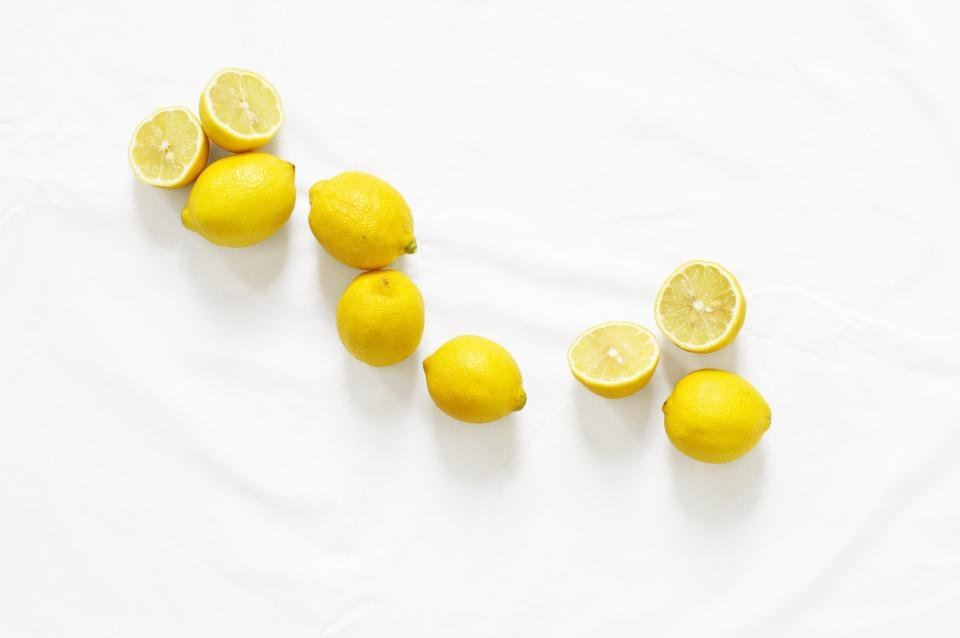
- Lemon juice — natural bleaching and degreasing assist, plus it makes everything smell like actual lemons instead of “lemon scent.”
Optional: a few drops of essential oil if you want fragrance, washing soda for laundry boosting, and coarse salt as a heavy-duty abrasive. That’s genuinely the whole arsenal — five core ingredients and a couple of extras replacing the dozen specialized bottles the industry sells you. Everything from here is just ratios and application.
One safety rule above all: never mix vinegar (or anything acidic) with bleach, and never mix hydrogen peroxide with vinegar in the same container. Keep it simple — these recipes never require mixing anything dangerous.
The Core Recipes (That Cover 95% of Cleaning)
1. All-purpose spray
Equal parts white vinegar and water in a spray bottle, plus a small squirt of dish soap. Counters, tables, appliances, walls, most floors. (Skip vinegar on natural stone like marble or granite — acid etches it; use diluted castile soap there instead.)
2. Scouring scrub
Baking soda with just enough water or castile soap to make a paste. Sinks, tubs, stovetops, grout, burnt-on pans. It out-scrubs most cream cleaners without scratching — the mild abrasion lifts grime mechanically instead of chemically, which is exactly why it works on the baked-on stovetop ring that sprays just glide over.
3. Glass and mirror spray
One part vinegar to four parts water, a drop of dish soap, wiped with a microfiber cloth or crumpled newspaper. Streak-free for almost nothing.
4. Bathroom descaler
Full-strength vinegar, sprayed and left for 15–60 minutes on limescale, then scrubbed. For showerheads: tie a bag of vinegar around them overnight. For kettles and coffee machines: boil or run a vinegar-water cycle, then rinse twice.
5. Disinfecting when it matters
After raw meat prep, during illness, on high-touch points: 3% hydrogen peroxide sprayed and left for a minute before wiping, or hot soapy water followed by a peroxide pass. Honest note: for genuine disinfection needs — norovirus in the house, immunocompromised family members — a proper registered disinfectant is the right tool. Daily wiping of crumbs is not a disinfection scenario, whatever the ads say.
6. Floor solution
A bucket of hot water with a splash of vinegar and a small squirt of castile soap. Works on tile, vinyl, and laminate. Wood floors: barely damp mop with diluted castile soap only — standing water damages wood.
7. Oven and heavy grease
Baking soda paste spread inside a cool oven, left overnight, spritzed with vinegar the next day, then scrubbed and wiped. It takes waiting instead of caustic fumes — a good trade.
Cut the Consumables Too
The bottles are only half the waste. Swap the disposables alongside: microfiber cloths and washable rags replace paper towel rolls; a wooden dish brush with replaceable heads replaces plastic sponges; old t-shirts become dusting cloths. These pair with the budget sustainable living habits — most of them save money from the first month.
Being Honest: When Commercial Products Win
DIY has limits, and pretending otherwise is its own kind of greenwashing. Keep commercial products for: serious disinfection situations, mold remediation beyond small surface spots, dishwashers and washing machines (proper detergents are engineered for machines — homemade versions can damage them), and anything where the manufacturer’s instructions require specific chemistry. When you do buy, buy better: concentrated refills, fragrance-free formulas, and credible eco-certifications over leaf-decorated labels — the same scrutiny we covered in spotting marketing tricks.
Your Starter Kit This Week
- Buy: white vinegar (biggest bottle), baking soda, castile or dish soap, hydrogen peroxide, two spray bottles, a jar for paste.
- Make: the all-purpose spray and the scouring paste — the two recipes that replace the most bottles.
- Use up, don’t bin: finish your existing commercial products first. Pouring half-full bottles down the drain to go green defeats the entire purpose.
- Label everything you mix, and store out of children’s reach like any cleaner.
The Room-by-Room Cheat Sheet
| Area | DIY solution | Skip the DIY for |
|---|---|---|
| Kitchen counters | All-purpose vinegar spray | Raw-meat disinfection (use peroxide) |
| Sinks & tubs | Baking soda scrub paste | — |
| Glass & mirrors | Diluted vinegar spray | — |
| Toilets | Baking soda + vinegar soak, brush | Illness in the house (disinfectant) |
| Floors (tile/vinyl) | Hot water + vinegar + soap | — |
| Wood floors | Barely damp castile soap mop | Anything wet — water damages wood |
| Natural stone | Diluted castile soap only | Vinegar/lemon — acid etches stone |
| Oven | Overnight baking soda paste | — |
| Laundry & dishwasher | — | Proper machine detergents |
| Mold (large areas) | — | Professional remediation |
Three Myths About DIY Cleaners, Busted
- “They don’t actually clean.” Soap and surfactants are how cleaning works — the chemistry in your DIY spray is the same basic chemistry in the branded bottle, minus the dyes, fragrance load, and markup. Dirt doesn’t care about branding.
- “You need antibacterial everything.” Decades of evidence say otherwise for routine home use — and overuse of antibacterial agents fuels resistance. Hot soapy water and mechanical removal handle daily life; disinfect only when there’s a real reason.
- “Homemade means time-consuming.” Mixing a spray bottle takes 60 seconds and lasts weeks. The “convenience” of commercial products is mostly the convenience of not thinking — which is exactly the habit worth breaking.
The Cost Breakdown: DIY vs Branded, One Year In
Let’s be concrete. A year of conventional cleaning for a typical household: all-purpose sprays, bathroom cleaners, glass cleaner, floor solution, scrub creams, disinfectants — conservatively $150–300 depending on brands and habits. The DIY year: 4–5 liters of white vinegar (~$5), a few kilograms of baking soda (~$6), castile or dish soap (~$8), hydrogen peroxide (~$4), lemons (~$5), plus spray bottles bought once (~$4). Total: roughly $25–35 — with most of the ingredients also serving cooking and laundry duty. The cleaning performance is equivalent for daily use; the indoor air is better; the plastic bottle count drops by dozens. Few swaps in sustainable living are this lopsided.
Frequently Asked Questions
Does vinegar actually disinfect?
Partially — vinegar kills some common household germs but isn’t a registered disinfectant and won’t handle everything. For routine cleaning it’s fine; for genuine disinfection needs use hydrogen peroxide or a proper disinfectant. Match the tool to the actual risk.
Will my house smell like a fish and chip shop?
No — vinegar smell dissipates completely as it dries, usually within minutes. If you’re sensitive to it, add lemon peel or a few drops of essential oil to the bottle.
Is baking soda safe on all surfaces?
Almost — it’s a very mild abrasive, safe for most surfaces, but test first on delicate finishes, high-gloss plastics, and aluminum (it can discolor it). When in doubt, use the soft side of the sponge.
How much money does this actually save?
A typical household spends $150–300 a year on cleaning products. The DIY toolkit costs perhaps $20–30 a year to keep stocked. Over a decade, that’s a four-figure saving for cleaning that works just as well.
The Bottom Line
Eco-friendly cleaning isn’t a compromise — it’s an upgrade you make once: five cheap ingredients, seven simple recipes, washable tools, and honest exceptions where commercial chemistry earns its place. Your home gets just as clean, your air gets cleaner, your cupboards get emptier, and your bank statement notices. Mix the all-purpose spray this week; the rest of the system builds itself from there.
Discover more from Greenfuturepath
Subscribe to get the latest posts sent to your email.